Loading...
Serving Bremerton, WA and surrounding areas. (360) 287-4054
Cold floors and rising heating costs are a sign your basement is losing heat. We assess, air seal, and insulate so your home stays comfortable all winter.
Basement insulation in Bremerton creates a barrier that slows heat from escaping through your foundation walls and floor, most jobs take one to two days for a standard single-family home, and many older Kitsap Peninsula homes need both air sealing and insulation to get real results.
If your floors feel cold from October through March, your basement is likely the source - not your furnace. A significant share of Bremerton homes were built in the 1940s and 1950s when insulation standards were far below what they are today. Older batts compress over time and stop doing their job, and gaps around pipes and the rim joist let cold air in even when insulation is technically present. The good news is that basement insulation is one of the most cost-effective upgrades you can make in this climate. Pairing it with air sealing services ensures you get the full benefit of the insulation you are paying for.
Bremerton averages around 55 inches of rain per year, and that persistent moisture means we always assess your basement for water intrusion before any material goes in. Insulation installed over a damp wall makes the problem worse - so the sequence matters as much as the material.
If your kitchen or living room floors feel noticeably cold underfoot during Bremerton's wet winters, heat is escaping through an uninsulated or under-insulated basement ceiling. This is one of the most common complaints homeowners describe here. You should not have to wear heavy socks inside your own home from October through March.
A persistent musty odor in your basement often signals that moisture is getting in and sitting there - creating the conditions that make insulation ineffective and lead to mold. In Bremerton's rainy climate this is common, but it is a signal worth taking seriously before you invest in any insulation work.
If your gas or electric bill has been rising and you have not changed your habits, your basement insulation may be compressing and losing its ability to hold heat in. It can look like it is still there while doing very little. PSE customers can sometimes request an energy audit to help pinpoint where the heat is going.
Homes built during Bremerton's mid-century growth period were often constructed with minimal insulation standards by today's measure. If you have never had the basement insulation inspected or replaced, there is a reasonable chance it is degraded, missing in spots, or simply not performing at a level that makes a real difference in your comfort.
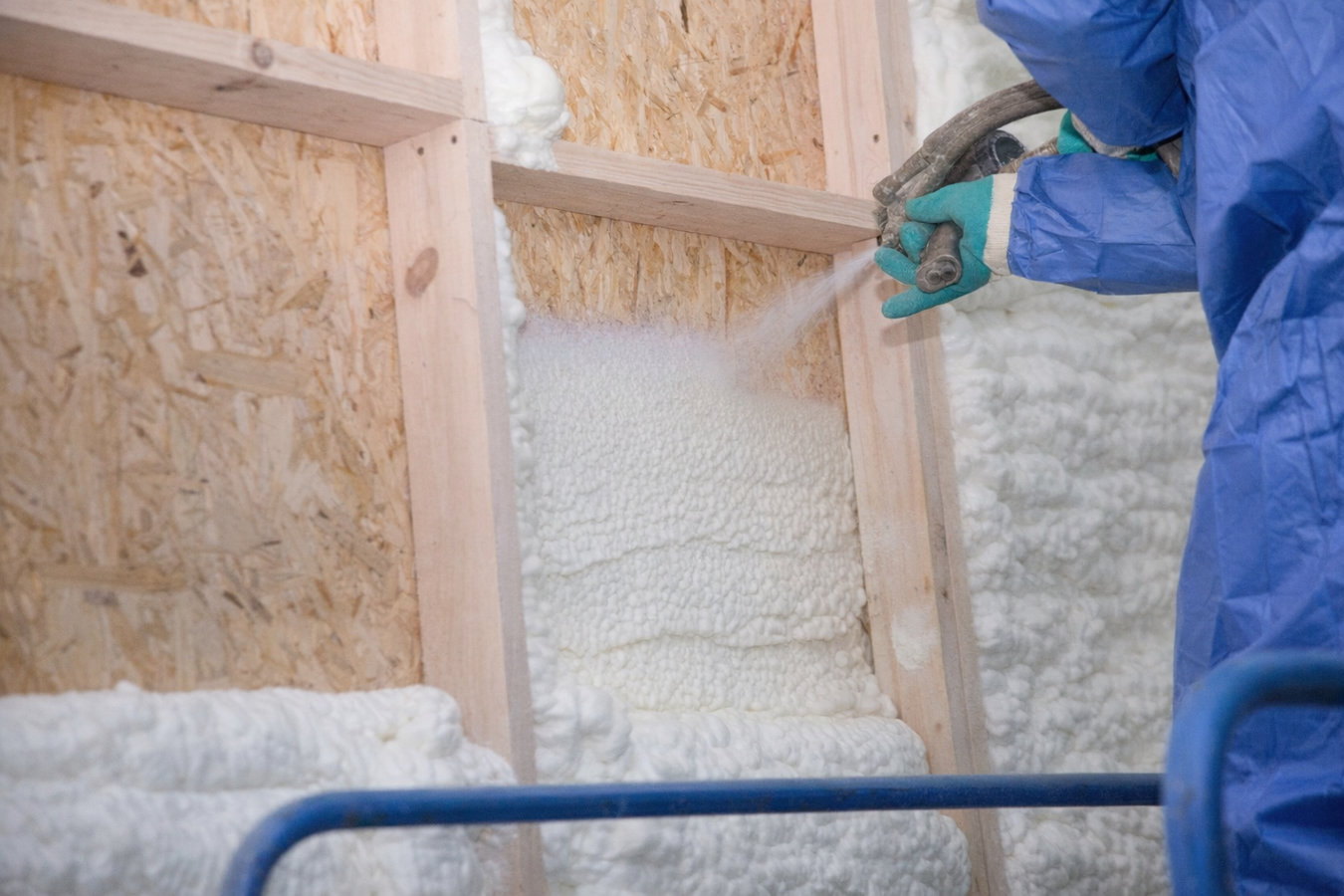
Our basement insulation work covers the full picture - walls, ceilings, rim joists, and air sealing - depending on what your home actually needs. When the goal is turning your basement into conditioned living space, wall insulation is the right approach. When the basement stays unfinished, insulating the ceiling between the basement and first floor is more practical and keeps warmth in the rooms you actually live in. We pair every project with a check for closed-cell foam insulation opportunities around rim joists and pipe penetrations, where foam outperforms batts on irregular surfaces.
For homes with significant air leakage - which describes most Bremerton houses built before 1980 - we also connect the basement work with a broader crawl space insulation assessment if your home has that type of foundation, so we address heat loss across the whole lower level rather than just one part of it. Every estimate is written, itemized, and specific - no vague quotes.
Best for homeowners who want to use the basement as living space - it brings the entire floor into the conditioned part of your home.
The right choice for unfinished, unheated basements - it keeps warmth in the living areas above without conditioning the basement itself.
Seals and insulates the band of framing where your floor meets the foundation - one of the most common air leakage points in older Bremerton homes.
Pairs insulation with gap and crack sealing so that air leaks are stopped before the insulation goes in - the right sequence for homes with drafts and cold spots.
Bremerton sits on the Kitsap Peninsula and receives roughly 55 inches of rain per year - well above the national average. That persistent moisture means basements here are more prone to dampness than in drier parts of the country. Homes built during the city's mid-century growth period, many tied to the Puget Sound Naval Shipyard, were often constructed with little or no basement insulation. What was installed back then has almost certainly compressed or degraded. If your home was built before the 1980s, your basement is likely one of the biggest sources of heat loss in the house - and one of the most practical to fix. Homeowners in Port Orchard and Silverdale face the same climate and housing stock conditions, so the work we do throughout Kitsap County reflects a real understanding of what these older foundations need.
Washington State also has one of the more demanding residential energy codes in the country. When insulation is part of a permitted renovation, the work must meet specific performance levels - which is actually a protection for you as a homeowner. It means the finished job has to meet a real standard. Puget Sound Energy, which serves most Bremerton households, offers rebates for qualifying insulation upgrades that can meaningfully reduce what you pay out of pocket. For more on what the U.S. Department of Energy recommends for basement insulation, their insulation guide is a reliable starting point.
When you reach out, we ask a few basic questions - the size of your basement, whether it is finished or unfinished, and whether you have noticed moisture. We can usually schedule an in-home visit within one business day of your first contact.
We walk through your basement, check the current insulation, look for moisture and air leaks, and measure the space. This visit takes 30 to 60 minutes and is your chance to describe what you have been experiencing.
After the visit you receive a written estimate that specifies what areas are being insulated, what method is used, and whether air sealing is included. No obligation - compare as many estimates as you need.
The crew arrives, works through the basement, and cleans up before leaving. Most standard Bremerton homes are done in one to two days. Before we pack up, we walk you through the finished work so you can see exactly what was done.
Free estimate, no obligation. We reply within one business day.
(360) 287-4054We check for water intrusion before any material goes in, because insulation installed over a damp wall traps moisture and makes the problem worse. This step is standard with every basement job we do - not an upsell.
We have been working on Bremerton homes long enough to know what Kitsap's wet winters actually do to older basements. That local experience shows up in how we assess a job and what we recommend.
Most Bremerton homeowners qualify for a Puget Sound Energy rebate on insulation upgrades. We know the program well and can help you identify what you are eligible for before you commit - it can meaningfully reduce your out-of-pocket cost.
Every job ends with a walkthrough so you can see the finished insulation, ask any remaining questions, and leave with confidence rather than guesswork. You will know exactly what was done and where.
Every basement job we take on gets a free written estimate up front and documented results when the work is done. We combine that with genuine local experience to give you a result that holds up through Kitsap winters year after year.
High-performance spray foam that insulates and air-seals in a single pass - ideal for rim joists and irregular basement surfaces.
Learn MoreComplete insulation and moisture management for crawl space foundations common throughout Kitsap County.
Learn MoreBremerton's wet season is coming - lock in your installation date before the cold sets in and the schedule fills up.