
Loading...
Serving Bremerton, WA and surrounding areas. (360) 287-4054
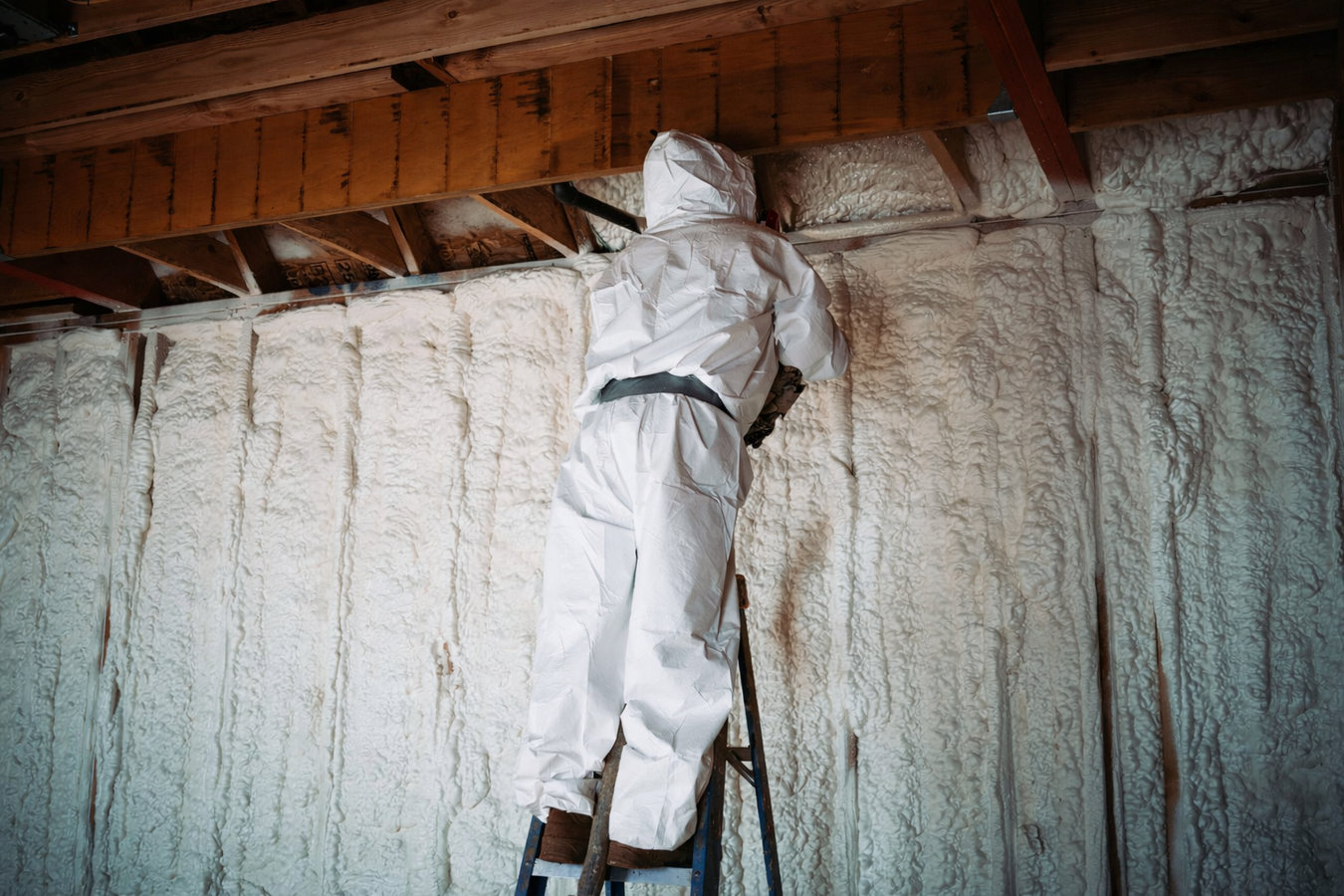
Closed-cell spray foam stops air and moisture while delivering high insulating power per inch - making it the best solution for crawl spaces and older Bremerton homes.
Closed-cell foam insulation in Bremerton is a two-part spray material that expands and hardens into a rigid, dense layer that insulates and air-seals at the same time, most residential jobs including crawl spaces and rim joists are completed in a single day, and it delivers roughly twice the insulating power per inch compared to fiberglass batts.
Unlike fiberglass batts or blown-in cellulose, closed-cell foam fills gaps and bonds to irregular surfaces in a single application - which is exactly what the crawl spaces and rim joists common in older Bremerton homes need. Bremerton averages around 55 inches of rain per year, and that persistent moisture finds its way into any gap it can. Foam seals those pathways permanently. It is often paired with open-cell foam insulation for areas where a softer, less rigid material is preferred - like interior walls and ceilings where sound dampening matters.
If you are comparing foam to traditional options, the relevant factor in Kitsap County is not just insulating value - it is moisture resistance. Closed-cell foam does not absorb water, does not sag, and does not create a surface where mold can grow the way wet fiberglass can. For the climate here, that durability difference is real. A broader spray foam insulation assessment can help you understand where closed-cell versus open-cell makes the most sense across your whole home.
If you walk across your kitchen or living room floor in winter and it feels cold underfoot, the crawl space below is likely losing heat faster than your furnace can replace it. In Bremerton's damp winters, an uninsulated crawl space pulls heat right out of your living space - and turning up the thermostat does not fully fix it.
A persistent musty odor is often a sign that moisture is getting into the crawl space or wall cavities and sitting there long enough to grow mold or mildew. This is especially common in Bremerton homes built before the 1980s. Closed-cell foam, when applied correctly, seals out the moisture that feeds that problem.
If you have looked into your crawl space or attic and noticed gaps where pipes or wires pass through framing, or spots where you can feel outside air moving, those are direct pathways for cold air and moisture to enter your home. These gaps are exactly what closed-cell foam is designed to seal permanently.
Homes built in Bremerton's post-war boom years were constructed with minimal insulation by today's measure, and none at all in some areas like crawl spaces and rim joists. If your home has never had a professional insulation upgrade, there is a strong chance you are heating and cooling a building that is working against you every single month.
Our closed-cell foam work focuses on the areas where it delivers the highest return for Bremerton homeowners - crawl spaces, rim joists, attics with limited depth, and wall cavities in older homes with irregular framing. These are the spots where batts fall short because surfaces are uneven, gaps exist around penetrations, and moisture resistance matters more than raw R-value per dollar. We pair every foam application with an honest look at what open-cell foam insulation can handle in other parts of your home, so you get the right material in each location rather than one-size-fits-all.
For homes where spray foam is part of a larger insulation upgrade, we also assess whether spray foam insulation in the attic or other areas makes sense alongside the foam work below. The goal is a building envelope that performs as a whole - not individual areas that each got their own treatment without coordination. Every estimate is written and itemized so you know exactly what you are paying for before any work begins.
Seals and insulates the crawl space walls and rim joist - the single highest-impact upgrade for most Bremerton homes with cold floors and high heating bills.
Targets the band of framing where your floor meets the foundation - the most common air leakage point in older Pacific Northwest homes.
Best for attics with complex framing or where a vapor barrier and insulation are both needed in a tight space.
Suits older homes with existing wall cavities where fiberglass batts have compressed or where irregular framing makes batt installation impractical.
Bremerton's wet, cool climate makes air sealing more urgent than in most U.S. cities. When warm indoor air meets a cold, poorly sealed wall or floor, moisture condenses inside the structure - and that trapped moisture is what causes mold, rot, and deteriorating insulation over time. Closed-cell foam's ability to block both air and moisture makes it particularly effective here, where a leaky building envelope is not just an energy problem but a durability problem. Many homes in Gorst and Seabeck share Bremerton's combination of older wood-frame construction and persistent moisture, and we apply the same approach across the entire Kitsap service area.
A large share of Bremerton's housing stock was built in the 1940s through 1970s - homes that often came with little or no insulation in crawl spaces and rim joists, and whatever was installed in walls and attics has compressed or degraded. Closed-cell foam is one of the most effective ways to bring an older home up to a standard that actually keeps you comfortable. Puget Sound Energy serves most of Bremerton and has offered rebates for qualifying insulation upgrades - a contractor familiar with the program can help you apply. The Northwest Energy Efficiency Alliance also publishes regional resources that reflect Pacific Northwest climate conditions rather than national averages, which is useful context when evaluating what insulation improvements will actually do for a Bremerton home. The U.S. EPA's spray polyurethane foam information is a reliable reference for understanding what the material is and how it should be applied.
When you reach out, we ask the age of your home, which areas you want insulated, and whether you have noticed cold floors or high bills. This helps us come prepared. We aim to schedule an in-home visit within one business day of your first contact.
We walk through the crawl space, attic, or wall areas, measure the space, check for moisture damage, and identify gaps. At the end of the visit you receive a written estimate that breaks down what we recommend and why - no verbal quotes.
Clear the work area of stored items before the crew arrives. People and pets need to stay out of the treated space during the work and for at least 24 hours afterward while the foam cures. We walk you through exactly what to expect so there are no surprises.
The crew applies the foam in controlled passes, building up the required thickness. Most jobs are done in a single day. Before we leave, we walk you through the finished work, answer your questions, and provide documentation for any rebate application.
No obligation. We reply within one business day and walk you through every option.
(360) 287-4054Closed-cell foam requires precise mixing temperatures and ratios to cure correctly. Our applicators follow manufacturer specifications on every job - because improperly applied foam can fail to seal or perform, and that is expensive to fix after the fact.
We have been working on Bremerton and Kitsap County homes since 2018 and understand what the wet, cool climate here does to crawl spaces and rim joists over time. That local knowledge shapes how we assess each job and what we recommend.
Puget Sound Energy offers rebates for qualifying insulation upgrades, and we help you identify what you are eligible for before you commit. Many Bremerton homeowners find the project is closer to their budget than they expected once rebates are factored in.
When a permit is required, we handle it. Permitted work is inspected by a third party and documented - which protects you now and when you sell your home. You will have paperwork showing exactly what was done.
Every foam job starts with a free written estimate and ends with documented results, so you know exactly what was installed. We combine that with genuine knowledge of how Kitsap Peninsula homes age and perform so you get results that last through many Bremerton winters.
A softer, lower-density spray foam option well-suited to interior walls and ceilings where sound control matters alongside insulation.
Learn MoreA full overview of spray foam options for your home - covering where each type performs best and how to choose between them.
Learn MoreOur crews are booking now - schedule your free estimate today so your crawl space does not spend another Bremerton winter working against you.